



Vehicle Identification Number (VIN)
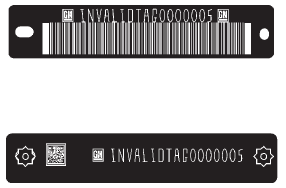
Vehicle Identification Number (VIN)
This legal identifier is in the front corner of the instrument panel, on the left side of the vehicle. It can be seen through the windshield from outside. The VIN also appears on the Vehicle Certification and Service Parts labels and certificates of title and registration.
Engine Identification
The eighth character in the VIN is the engine code. This code identifies the vehicle's engine, specifications, and replacement parts. See “Engine Specifications” under Capacities and Specifications for the vehicle's engine code.
See also:
Making Turns
Notice: Making very sharp turns while trailering could cause the trailer
to come in contact with the vehicle. The vehicle could be damaged. Avoid making
very sharp turns while trailering.
When tu ...
Auto Fan Speed
This will allow you to select the automatic fan speed. This feature sets the
climate control fan speed to maintain the interior temperature.
Press the MENU/SELECT knob when Auto Fan Speed is highl ...
Customer Satisfaction Procedure (Mexico)
Did you get the Warranty Extension Plan? This plan is recommended by General
Motors to supplement the warranty included with the new vehicle purchase.
See your dealer for details.
Customer Assis ...