



Fuel Gauge
 " width=409 height=331
id="_x0000_i1313" src="images/books/1183/3/index.53.gif" border=0>
" width=409 height=331
id="_x0000_i1313" src="images/books/1183/3/index.53.gif" border=0>
Metric
 " width=409 height=331
id="_x0000_i1314" src="images/books/1183/3/index.54.gif" border=0>
" width=409 height=331
id="_x0000_i1314" src="images/books/1183/3/index.54.gif" border=0>
English
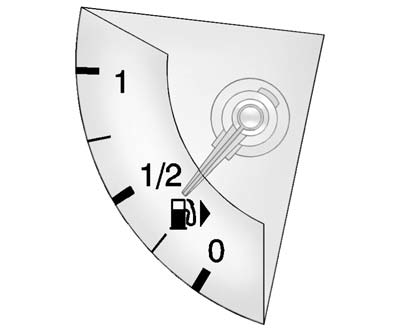
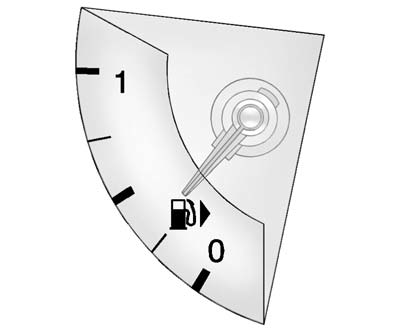
When the ignition is on, the fuel gauge indicates about how much fuel is left in the tank.
An arrow on the fuel gauge indicates the side of the vehicle the fuel door is on.
When the indicator nears empty, the low fuel light comes on. There still is a little fuel left, but the vehicle should be refueled soon.
Here are four things that some owners ask about. None of these show a problem with the fuel gauge:
- At the service station, the fuel pump shuts off before the gauge reads full.
- It takes a little more or less fuel to fill up than the gauge indicated. For example, the gauge may have indicated the tank was half full, but it actually took a little more or less than half the tank's capacity to fill the tank.
- The gauge moves a little while turning a corner or speeding up.
- The gauge takes a few seconds to stabilize after the ignition is turned on, and goes back to empty when the ignition is turned off.
See also:
Conference Calling
Conference calling and three—way calling must be supported on the Bluetooth
phone and enabled by the wireless service carrier to work.
To start a conference while in a current call:
1. Turn or ...
Easy Exit Positions
This feature can move the driver seat rearward and the power steering column
up and forward to allow extra room to exit the vehicle.
: Press to recall the easy exit positions.
The vehicle must be ...
Blank Display
This display shows no information. ...